2026
PySpecTrace: A Python-Based Graphical User Interface for Real-Time Spectroscopy Analysis and Data Analysis WoS Q1
Journal Publication, 2026
Joshu Leonardy Lee (李添炜) — PhD Student, Faculty of Electrical Engineering,
Universiti Teknologi Malaysia
Computer Vision | Artificial Intelligence | Photonics
ExploreI am currently a PhD student in Electrical Engineering at Universiti Teknologi Malaysia, majoring in Computer Vision and Image Processing, as an awardee of the UTM ASCEND Bright Talent International Scholarship. Before that, I completed my MPhil at UTM (Mechatronics Engineering, majoring in Control Systems and Optoelectronics), where I was a Graduate Lecture Assistant at the Photonics Research Center. I received my B.Sc in Physics (Instrumentation Electronics) from Universitas Negeri Semarang, Indonesia.
From 2024 to 2026 I was a Research Assistant at BRIN (National Research and Innovation Agency, Indonesia), Research Center for Photonics — Micro-Opto-Electronics and Microsystems group — where I developed a GUI for object segmentation using YOLOv11 and SAM-2, and worked on smart weapon development.
My research focuses on Image Processing, Python-based Software Development, ML and DL applications for instrumentation systems, and Optical Fiber Sensor simulation and fabrication.
Outside the lab, I enjoy working in large, interdisciplinary teams — from rocket avionics to physics STEM modules — and I am always curious to learn things outside my own field.
Intensive summer school and bootcamp on applying artificial intelligence to medicine.
Designing avionics PCB systems and CAD components for a rocket flight subsystems including telemetry, control, and sensor integration.
Researching and developing physics STEM learning modules with the KDSE UTM team.
Led the development of a smart weapon scope system based on IR optics and a YOLOv11 object detection algorithm. Bridges photonic hardware with deep learning for real-time recognition.
Research and development engineer in the PCB department, contributing to hardware design and prototyping.
Simulated a waveguide-based glucose biosensor using the surface plasmon resonance (SPR) method in BeamProp.
Developed an Arduino Nano microcontroller-based optical power meter — work that later resulted in two registered patents.
Private tutor in mathematics, physics, and chemistry.
Built a GPS module-based delivery drone using the ESP8266 microcontroller for waypoint-based autonomous navigation.
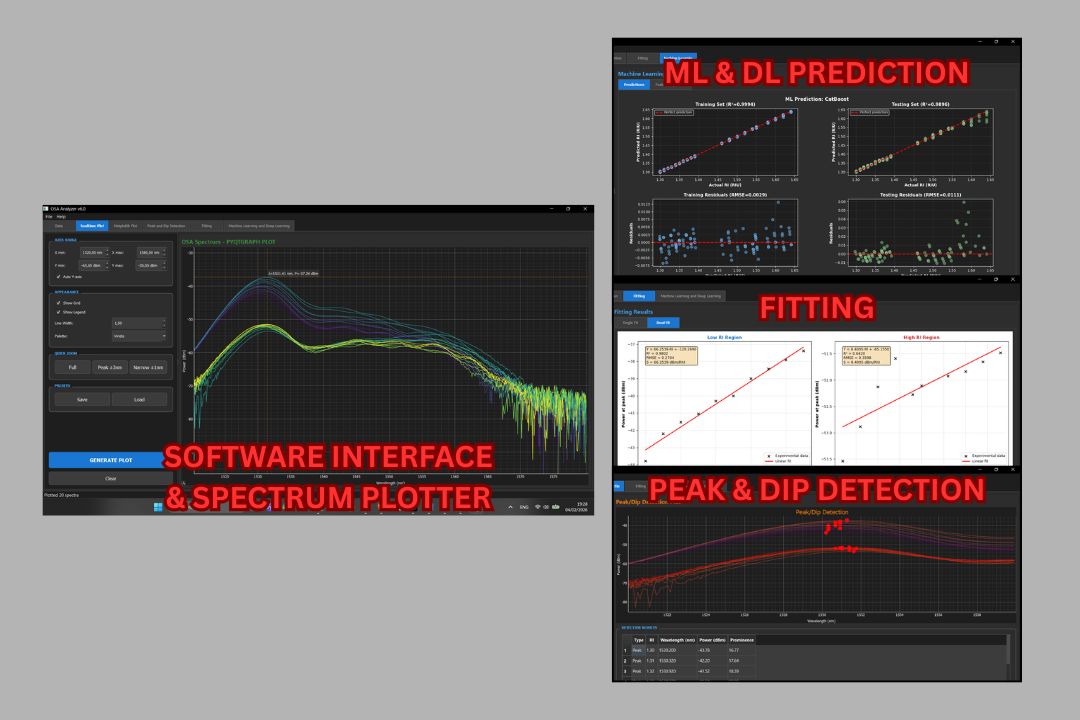
Software for optical spectrum analysis featuring fitting plotter, peak/dip detection, and integrated machine learning & deep learning training and analysis tools. Built in Python.
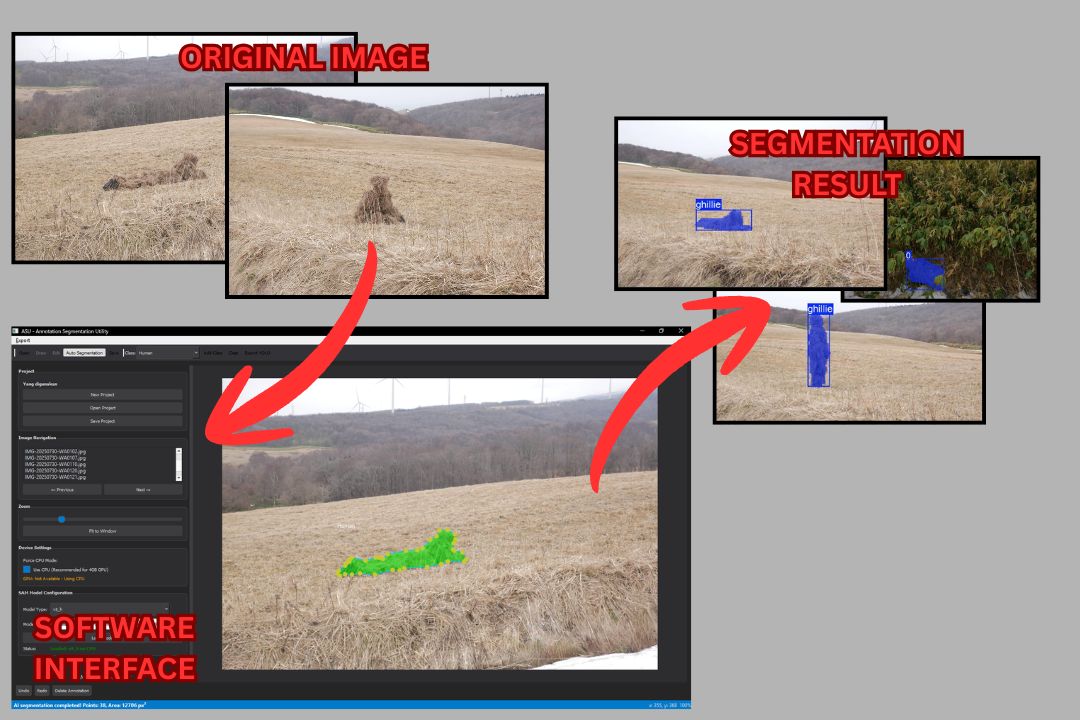
Object segmentation software combining YOLOv11 and SAM-2 for augmented annotation and segmentation workflows. International collaboration between BRIN, Telkom University, and Kanazawa University.
View Details →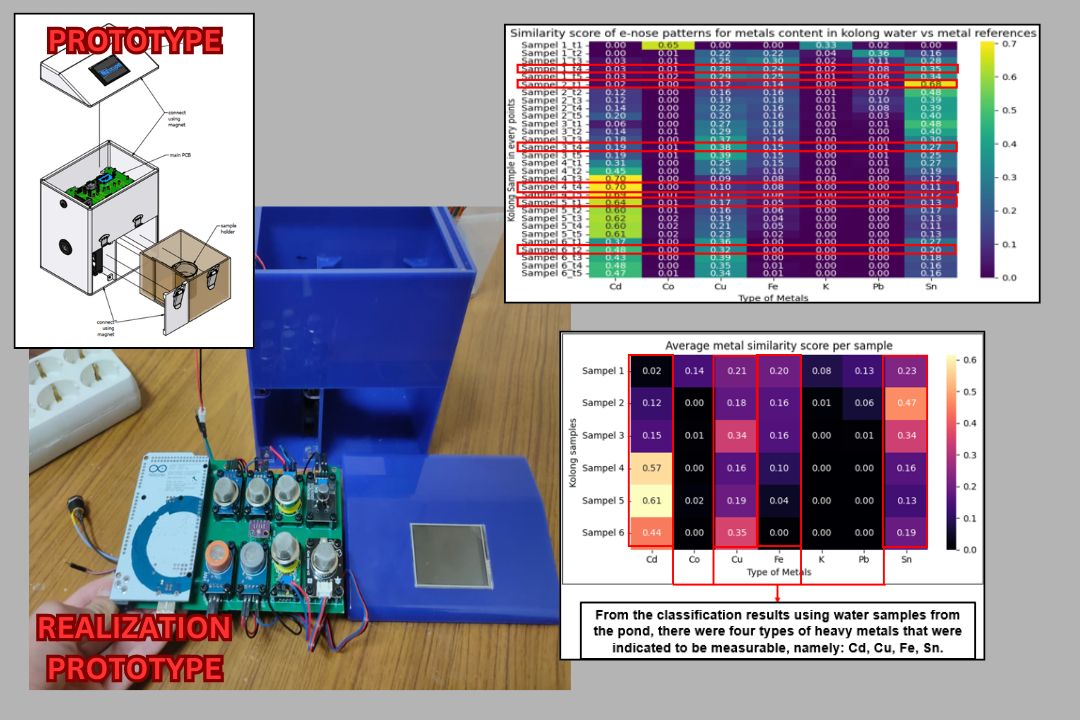
Environmentally friendly detection and treatment system for heavy metals in tin mining wastewater, based on machine learning and smart sensors. Funded by the Ministry of Higher Education, Science, and Technology.
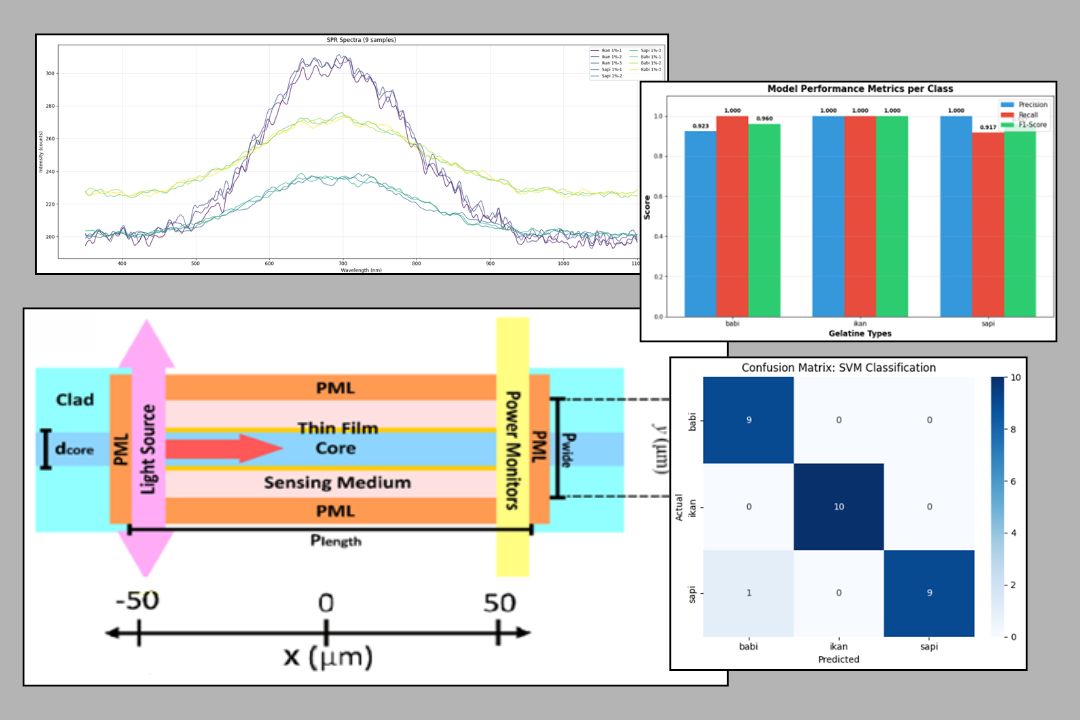
Integration of artificial intelligence systems with surface plasmon resonance (SPR) sensors for accurate gelatin identification and halal licensing applications.
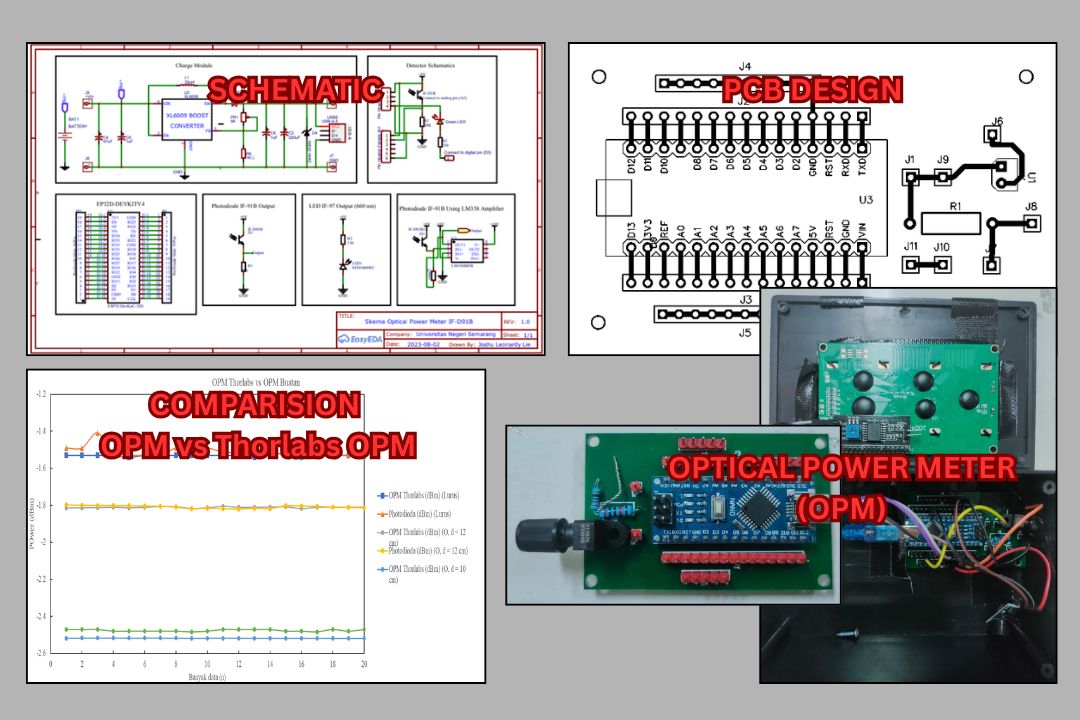
Design and characterization of a low-cost visible-light optical power meter using an Arduino Nano microcontroller. Both the hardware design and source code were filed as registered patents.
Journal Publication, 2026
Journal Publication, 2026
Conference Paper, 2026
Journal Publication, 2026
Registered Copyright, 2026
Registered Copyright, 2026
Registered Copyright, 2026
Physica Scripta, 2025
IEEE Conference Proceedings, 2025
IEEE Conference Proceedings, 2025
Journal Publication, 2025
Results in Optics, 2025
IEEE Conference Proceedings, 2024 — Best Paper Award
Registered Patent, 2023
Registered Patent, 2023
Book Chapter, 2023
Tools I build for the people I teach. Each one is meant to be opened in a lecture, played with, and argued about — not read.
Two series of interactive labs, each one a single page you open and play with, with your own images. No install, no notebook, no account.
Flashcards, a quiz mode, and live dictionary lookup — built while preparing for the exam myself.